


As the share of renewable energy continues to grow, the energy system is undergoing significant change. Electricity generated from wind and solar depends on weather conditions, making supply less predictable. At the same time, market prices are becoming more volatile, and managing energy assets is increasingly complex. These developments are driving demand for new approaches. Not only in infrastructure, but also in how energy is operated and traded.
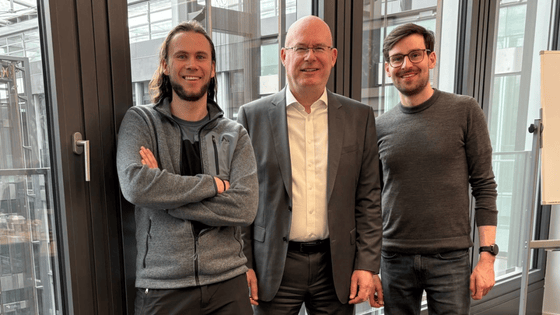
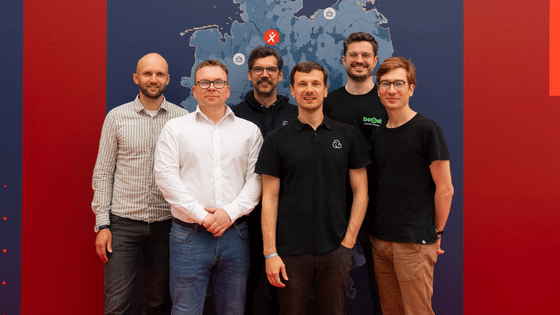
This is where the collaboration between SpinLab startups from batch 9th and 13th, Energiekoppler and suena energy, comes in. Rather than building a single, all-in-one platform, both companies focus on what they do best. Energiekoppler handles operational complexity at the asset level, while suena energy tackles the intricacies of energy markets. Together, they create a seamless bridge between physical infrastructure and market dynamics.
Where Technology Meets the Market
A real-world example highlights the strength of this approach. In a co-located solar-plus-storage project, a photovoltaic system is combined with a battery at a shared grid connection point. This setup represents a new generation of hybrid energy systems designed to maximize efficiency without requiring additional grid infrastructure.
The goal is clear: stabilize revenues, better integrate renewable generation into the market, and unlock new sources of flexibility.
On the technical side, Energiekoppler’s “Flexibility Engine” orchestrates real-time operations. It manages forecasts, executes dispatch schedules, and ensures compliance with technical and grid constraints. This creates a reliable operational backbone, even for complex multi-asset systems.
On top of that, suena energy’s automated trading solution takes over. Its “Energy Trading Autopilot” continuously analyzes market signals, forecasts, and price developments to determine the most profitable use of the battery. These decisions are then executed automatically..
The result is a system that not only reacts to market conditions but also actively capitalizes on them. Rather than reducing renewable energy production during periods of low prices, stored energy can be used strategically when market conditions improve.
A defining feature of this joint approach is its open architecture. Different operating models, market strategies, and regulatory requirements can be integrated and adapted over time. This flexibility is particularly valuable for co-location projects, where long-term investment security depends on the ability to respond to changing rules and market conditions.
The right ecosystem
Since participating in SpinLab’s accelerator program, Energiekoppler and suena energy have established themselves in the market and secured millions in funding. Energiekoppler also built key industry connections during the program, including partnerships with SpinLab partners LEAG and TGFS. The collaboration with LEAG continues to this day. Suena energy raised €8 million in a Series A financing round last year, led by Eneco Ventures. In 2024, Energiekoppler completed its funding round, with investments from LEAG, TGFS and ElectroFleet.

/RootCamp_Logo-Ecosystem.png?width=200&name=RootCamp_Logo-Ecosystem.png)

/Bitroad_Logo-Ecosystem.png?width=200&name=Bitroad_Logo-Ecosystem.png)




/White%20Versions/stadt_leipzig_white.png?width=130&name=stadt_leipzig_white.png)
/lfca_white.png?width=119&name=lfca_white.png)

/White%20Versions/sachsen_signet_white.png?width=65&height=79&name=sachsen_signet_white.png)